Fibox: Polycarbonate vs Steel — Rethinking the Standard
For decades, steel has been the default enclosure material in industrial environments. It’s familiar, it’s strong, and it’s been the standard for generations. But modern applications, wireless systems, and corrosive environments have changed what engineers actually need from an enclosure.
That’s where polycarbonate — especially engineered polycarbonate from Fibox — steps in as a smarter alternative.
Here’s a clean breakdown of how polycarbonate compares to steel, and why more OEMs and panel builders are making the switch.
✨ Corrosion Resistance
Steel can corrode when coatings chip or moisture gets underneath. Even stainless steel shows wear in aggressive environments.
Polycarbonate doesn’t rust. It’s naturally corrosion‑proof, making it ideal for:
Outdoor electrical
Wastewater
Marine
Agriculture
Chemical exposure
This is one of the biggest reasons Fibox pushes polycarbonate — it simply lasts longer in harsh environments.
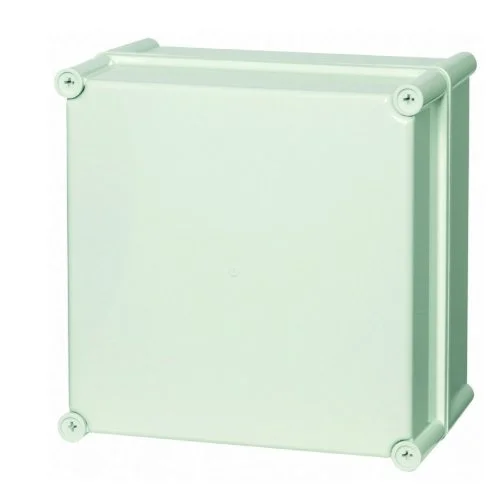
ABS 2828 13 G
Part #: 5880362
Dimensions: 10.9 x 10.9 x 5.1 Inches
Ratings: IP66, IP67
Including: Base with screws for mounting plate. cover with PUR gasket and polyamide cover screws.
✨ Weight & Installation
Steel is heavy. That means:
Higher installation labor
More structural support
Higher shipping costs
Polycarbonate is significantly lighter, making it easier to mount, transport, and modify. For pole‑mounted or wall‑mounted applications, weight matters.
✨ Electrical Safety
Steel is conductive — it must be bonded and grounded properly.
Polycarbonate is non‑conductive, offering:
Natural electrical insulation
Safer handling
Simplified grounding requirements
This is a major advantage in control panels and outdoor electrical systems.
✨ Wireless Performance
Modern systems rely on Wi‑Fi, cellular, Bluetooth, and IIoT devices.
Steel blocks radio signals. Polycarbonate allows wireless signals to pass through, reducing the need for external antennas.
This matters more every year as wireless becomes standard in industrial automation.
✨ Impact & Durability
Steel dents. And dents expose bare metal → corrosion risk.
Polycarbonate flexes and absorbs impact without compromising the enclosure. Fibox’s engineered polycarbonate is designed to handle real‑world abuse without degrading.
✨ Modifications & Field Work
Cutting steel requires heavy tooling and edge protection.
Polycarbonate is easy to drill, cut, and machine with standard tools — no rust, no sharp edges, no extra steps.
For OEMs and panel shops making frequent cutouts, this saves time and reduces rework.
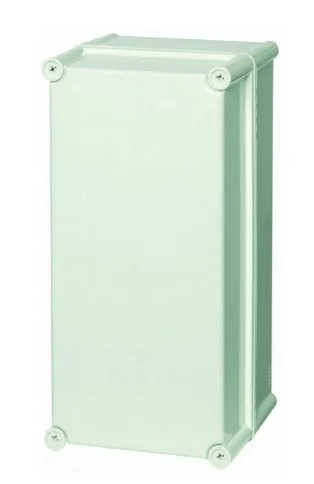
ABS 2819 13 G
Part #: 5880360
Dimensions: 10.9 x 7.4 x 5.1 Inches
Ratings: IP66, IP67
Including: Base with screws for mounting plate. cover with PUR gasket and polyamide cover screws.
🔥 When Steel Still Makes Sense
Steel is still the right choice when you need:
EMI shielding
Very high temperature resistance
Heavy structural rigidity
But these situations are becoming more specialized — not the everyday norm.
💡 The Bottom Line
Steel has history. Polycarbonate has advantages.
For most outdoor, corrosive, or industrial environments, polycarbonate offers lower maintenance, easier installation, and better long‑term performance. Fibox’s engineered polycarbonate enclosures deliver NEMA 4X protection, UV stability, and industry‑leading impact resistance — giving engineers a modern alternative to traditional steel.
WD Engineering Sales is your local Fibox representative. If you’re exploring polycarbonate enclosures or want help choosing the right solution for your application, our team is here to support you. Get in touch with us anytime — we’re ready to help.